What Is Bolani? Afghan Street Food Explained
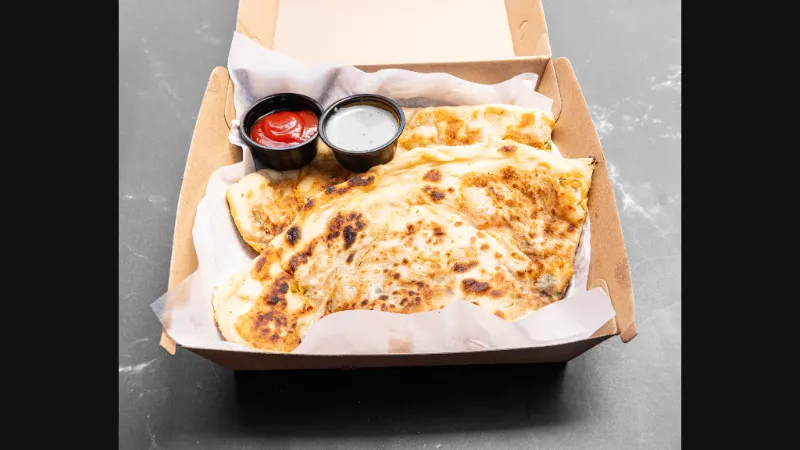
If you've scrolled past "Bolani" on our menu and wondered what it actually is, you're not alone. Here's everything you need to know about one of Afghanistan's most-loved dishes — and why you'll find it on nearly every table in Kabul, and now, right here in Reseda.
Where Does Bolani Come From?
Bolani has deep roots in Afghan home cooking, where it's traditionally made by hand in the kitchen and shared among family before making its way onto the streets as a portable snack. It's especially popular in the colder months, when a hot, crispy flatbread fresh off the griddle is exactly what you want.
While the potato version is the most common, different regions and households put their own spin on it — some lean into leeks and scallions, others favor pumpkin with a touch of sweetness, and many families have their own "secret" spice blend passed down over generations. Chef Mirza's version traces back to his family's kitchen in Kabul, later refined at their restaurant in India, before landing on our menu here in Reseda.
What Is Bolani?
Bolani is a stuffed, pan-fried flatbread made from a simple unleavened dough. The dough is rolled thin, filled, folded, and cooked on a griddle until the outside turns golden and crisp while the inside stays soft and steamy. Think of it as Afghanistan's answer to a stuffed flatbread — closer to a quesadilla or paratha in spirit, but distinctly its own thing.
It's eaten as a street snack, a side dish at home, and increasingly, as an appetizer at restaurants across the U.S. introducing people to Afghan cuisine for the first time.
What's Inside Bolani?
Traditional bolani fillings include:
- Potato — the most classic version, lightly spiced mashed potato
- Leek (gandana) — a savory, slightly oniony filling
- Pumpkin (kadu) — subtly sweet, balanced with warm spices
- Lentils — a heartier, protein-rich option
At Bigi Awasaana, we make ours fresh using time-honored recipes passed down through Chef Mirza's family — the same techniques used back in Kabul, adapted for our griddle in the San Fernando Valley.
How Is Bolani Made?
The process is simple in theory, but it takes a practiced hand to get right:
1. The dough — an unleavened flour-and-water dough is mixed and rested, giving it enough elasticity to roll out thin without tearing.
2. The filling — potatoes, leeks, pumpkin, or lentils are seasoned and prepared separately, then spread across half the rolled dough.
3. The fold — the dough is folded over the filling and sealed at the edges, similar to a half-moon empanada or turnover.
4. The griddle — bolani is pan-fried (not deep-fried) on a hot flat griddle with a light coating of oil, flipped until both sides are golden brown and blistered in spots.
The result is a bread that's crisp on the outside, soft and steamy on the inside, with the filling fully cooked through. It's the pan-frying — rather than baking or deep-frying — that gives bolani its signature texture and makes it lighter than a lot of other stuffed breads.
How Is Bolani Served?
Bolani is almost always served with a cooling dip to balance the crisp, savory bread. The classic pairing is a mint-yogurt sauce (chakkah) or a fresh coriander chutney. The contrast between the hot, crispy bolani and the cold, tangy dip is really the whole point — one bite and you'll understand why it's a street food staple.
Is Bolani Vegetarian? Is It Halal?
Yes — bolani is naturally vegetarian and vegan-friendly since it's just dough and vegetable filling. And because everything at Bigi Awasaana is 100% Zabiha Halal, you can order it with total peace of mind alongside the rest of our menu.
Bolani vs. Other Stuffed Flatbreads
People often ask how bolani compares to things like samosas, empanadas, or naan. The short answer: bolani is pan-fried rather than deep-fried or baked, uses an unleavened dough (no yeast), and is typically stuffed with vegetables rather than meat. It's lighter than a samosa and crispier than naan — a category of its own.
Frequently Asked Questions About Bolani
Is bolani spicy?
Not typically. The dough and filling are mild and savory on their own — any heat usually comes from the coriander chutney served alongside it, which you can request mild or spicy.
Is bolani gluten-free?
Traditional bolani is made with wheat flour, so it's not gluten-free as prepared. Let our team know about dietary restrictions and we're happy to talk through options.
Is bolani healthy?
Bolani is pan-fried rather than deep-fried, and the potato, leek, and lentil fillings bring real vegetables and fiber to the dish. It's a lighter option compared to a lot of fried appetizers, though portion size and oil amount will affect that.
Can I order bolani for a catering event?
Yes — bolani is a popular addition to our catering packages and works well as a shareable appetizer for corporate events, private parties, and community gatherings. Reach out to us to build a custom catering menu.
How is bolani different from a samosa?
Samosas are typically deep-fried and often filled with spiced meat or peas, while bolani is pan-fried, uses an unleavened dough, and leans vegetable-forward. Different textures, different traditions — both worth trying.
Try Bolani at Bigi Awasaana
You can find bolani on our menu daily, 12:00 PM–10:30 PM at 18411 Victory Blvd, Reseda, CA. It's one of the best ways to start a meal with us before moving on to our Charcoal King koobideh or Silk Road Stack burger.
Born from the Silk Road. Grilled in Los Angeles.